
Chip Sealing Services in Charlotte, NC and Surrounding Areas
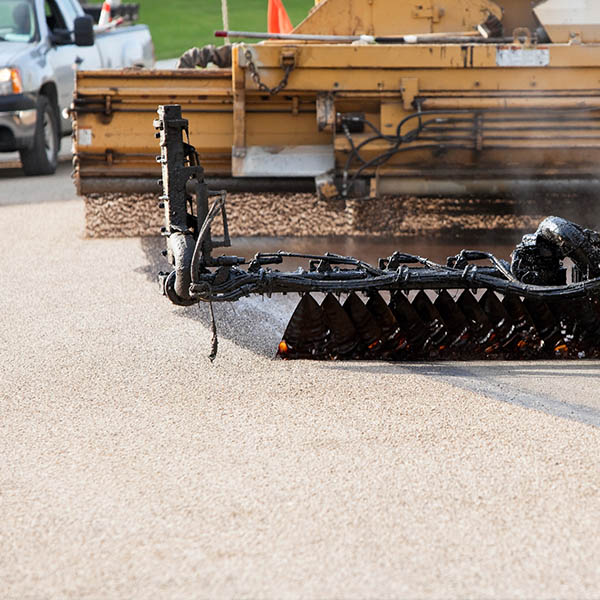
Chip sealing, also known as tar and chip or chip seal paving, is a cost-effective and durable method of protecting and resurfacing roads, driveways, and rural routes. It provides a natural, textured finish and is especially popular in rural and semi-rural areas where traditional asphalt paving may not be necessary or cost-effective.
We offer professional chip seal installation throughout the greater Charlotte region, helping homeowners, developers, and municipalities create reliable, long-lasting pavement with a rustic finish and excellent durability.
What Is Chip Sealing?
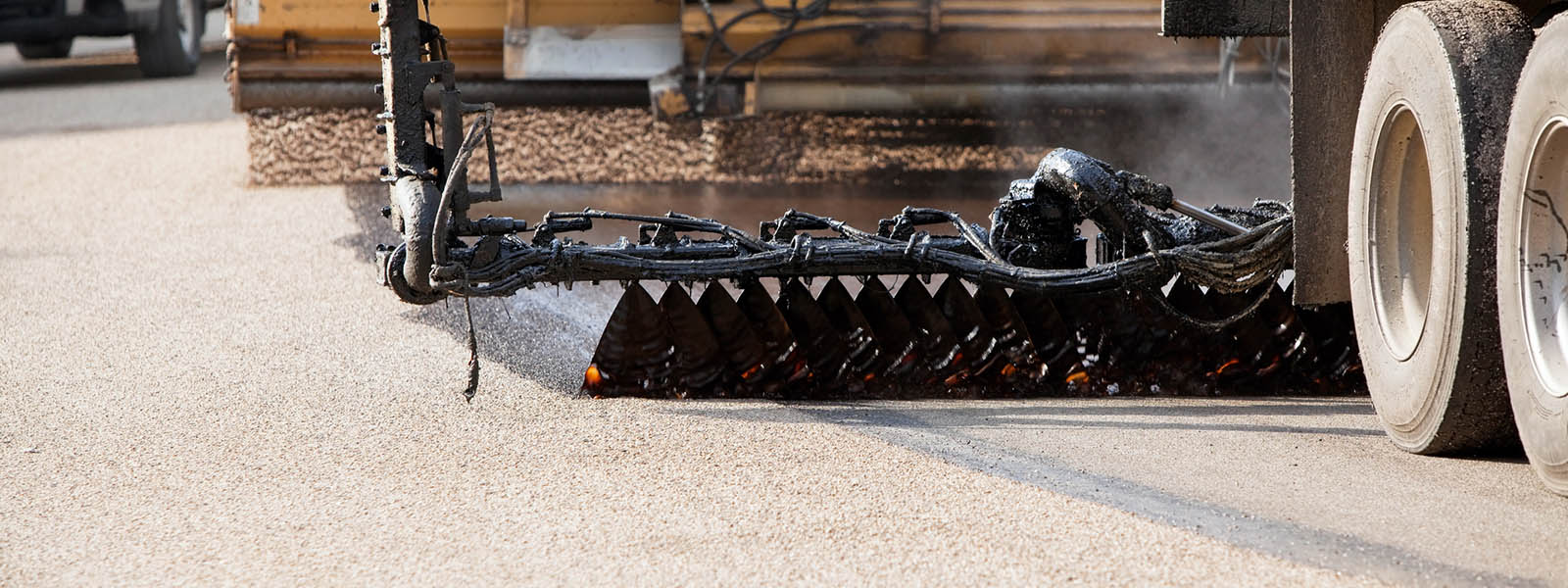
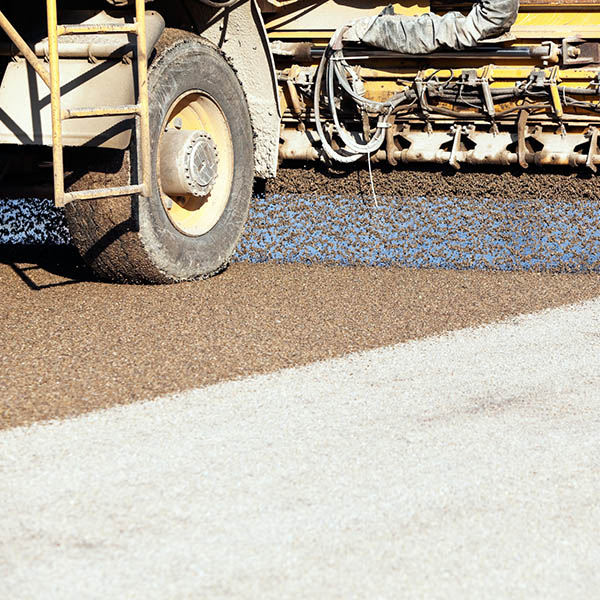
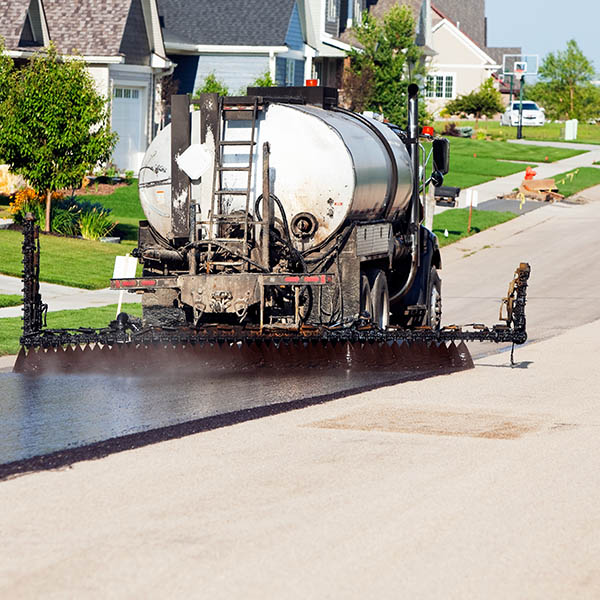
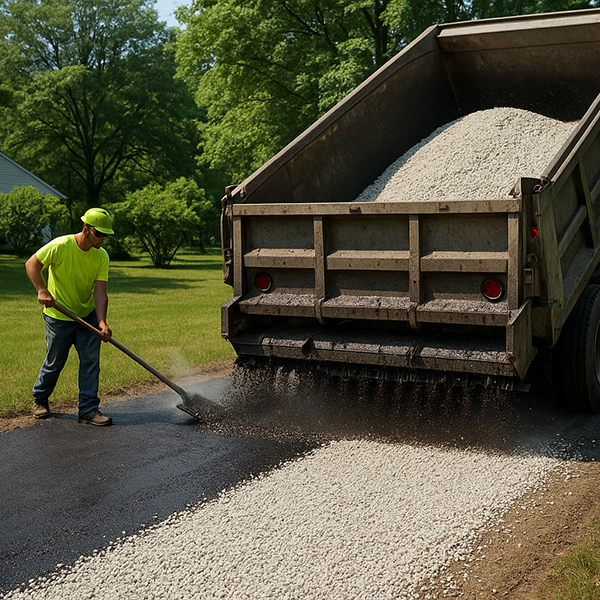
Chip sealing is a pavement treatment that involves spraying a hot layer of liquid asphalt binder onto the road surface, then immediately covering it with crushed stone chips. The chips are pressed into the binder with a heavy roller to form a tight, sealed surface.
As the binder cures, the stone becomes embedded in the surface, creating a hard, textured layer that protects the base pavement or gravel and improves traction. Over time, the surface settles into a tighter finish as traffic compacts the stone further.
Chip Seal vs. Asphalt Paving
Chip seal is different from traditional asphalt paving in several key ways:
- Cost – Chip seal is typically more affordable than full asphalt paving, making it ideal for long driveways, rural roads, and private lanes.
- Appearance – Chip sealing has a more natural, gravel-like texture that blends well with rustic or countryside properties.
- Traction – The textured surface provides excellent grip, even in wet conditions.
- Surface Life – While not as long-lasting as asphalt paving, chip seal offers several years of protection and can be reapplied as needed.
For heavily trafficked urban streets or commercial parking lots, asphalt paving is usually the better choice. But for large driveways, low-volume roads, farm paths, or HOA communities in rural areas, chip seal can be a practical and attractive alternative.
Recommended Uses for Chip Seal
Chip seal paving is commonly used in:
- Long residential driveways in rural areas
- Private roads and access lanes
- Farm roads and utility paths
- Neighborhood roads with light vehicle traffic
- Gravel road upgrades where dust and erosion are a problem
It’s also a good fit for sealing and extending the life of older asphalt that has begun to wear but still has a stable base.
The Chip Sealing Process
Our chip seal installation follows a precise, multi-step process to ensure strong adhesion and lasting results:
- Surface Preparation – The road or driveway is graded, cleaned, and prepped to receive the binder.
- Asphalt Binder Application – A layer of hot liquid asphalt is evenly sprayed over the surface.
- Chip Stone Application – Crushed stone is spread over the hot binder immediately after application.
- Rolling and Compaction – A heavy roller presses the stone chips into the asphalt for a smooth, bonded finish.
- Curing – The surface is allowed to cure, with loose stones removed or pressed further by traffic over time.
Is Chip Seal Right for Your Property?
If you’re paving a long country driveway, upgrading a gravel road, or maintaining a low-traffic access route, chip seal may be the perfect solution. It’s a popular alternative to hot mix asphalt for property owners who want a rustic look without sacrificing performance.
We’ll inspect your surface, evaluate your goals, and help you determine whether chip sealing or asphalt paving is the better option for your project.
Serving Charlotte and Surrounding Rural Communities
Our team proudly offers chip seal paving throughout Charlotte, NC, and the surrounding region. We regularly serve homeowners and landowners in rural towns and communities such as Mooresville, Statesville, Concord, Kings Mountain, Albemarle, Monroe, Rock Hill, and Gastonia.
Whether you’re managing a large residential property, a private road, or a rural HOA, we bring decades of hands-on experience and a commitment to quality with every job.
Get a Free Chip Sealing Estimate
Contact our team to learn more about chip seal paving and find out if it’s the right choice for your driveway or road.

